
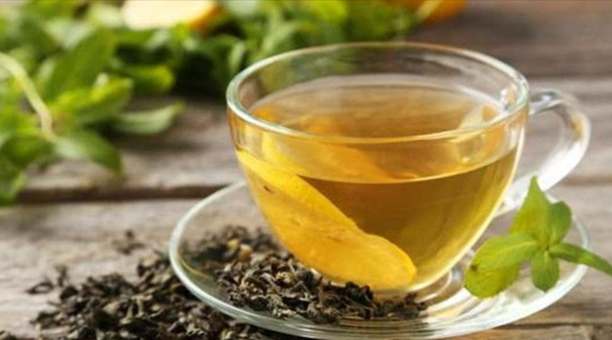
Oolong Tea vs. Green and Black Tea lovers know that not all leaves are created equal. From floral notes to earthy depths, every type of tea brings its own character to your cup. Among the most popular choices around the world are oolong, green, and black tea—each rooted in rich traditions, distinct processing methods, and unique health benefits. If you’re trying to understand how these three compare, you’re in the right spot. Let’s break down their origins, flavors, preparation styles, and wellness perks to help you decide which tea truly matches your vibe.
Understanding the Basics: Where Each Tea Comes From
All true teas—oolong, green, and black—come from the same plant: Camellia sinensis. What sets them apart is not the plant itself but how the leaves are processed after harvesting, especially how much they are oxidized.
Green Tea: The Least Oxidized
Green tea undergoes minimal oxidation. Right after harvesting, the leaves are quickly heated—either steamed (in Japanese varieties) or pan-fired (in Chinese varieties). This stops oxidation, keeps the leaves green, and preserves a fresher, grassier flavor.
Black Tea: Fully Oxidized
Black tea gets the most oxidation. After harvesting, the leaves are allowed to wither and oxidize completely before being fired. This deep oxidation gives black tea its dark color, bold taste, and robust aroma.
Oolong Tea: The Middle Child
Oolong falls between green and black tea, Oolong Tea vs. Green and Black typically oxidized anywhere from 10% to 80%. This wide range means oolong teas can taste light and floral like green tea or rich and toasty like black tea. It’s the most diverse and complex tea category.
Flavor Profiles: What’s Happening in Your Cup
Oolong Tea vs. Green and Black Choosing tea based on flavor can make the drinking experience far more fun. Here’s how these three typically stack up in terms of taste:
Green Tea Flavor
-
Light, grassy, fresh
-
Sometimes slightly sweet or nutty
-
Japanese greens (like Sencha or Matcha): seaweed-like, umami-rich
-
Chinese greens (like Longjing): mellow, toasted, slightly sweet
Green tea appeals to those who enjoy clean, refreshing flavors.
Black Tea Flavor
-
Strong, bold, malty, earthy
-
Common varieties: Assam (robust), Darjeeling (muscatel), Earl Grey (citrusy bergamot)
-
Holds up well with milk, sugar, and spices
Oolong Tea vs. Green and Black If you like coffee intensity or rich flavors, black tea usually hits the spot.
Oolong Tea Flavor
-
The widest flavor spectrum
-
Lightly oxidized oolongs: floral, creamy, buttery (e.g., Tie Guan Yin)
-
Darker oolongs: roasted, nutty, caramel-like (e.g., Wuyi Rock Tea)
Oolong is perfect for people who love nuanced layers of taste that change with each brew.
Caffeine Levels: Which Tea Gives More Energy?
All three teas contain caffeine, but the amounts vary depending on processing and brewing time.
Approximate caffeine levels:
-
Black tea: 40–70 mg per cup
-
Oolong tea: 30–50 mg per cup
-
Green tea: 20–45 mg per cup
Black tea tends to give the strongest kick, while green tea offers a gentler lift. Oolong sits right in the middle—making it a great balanced option.
Health Benefits: Which Tea Is the Best for You?
Tea lovers often praise green tea for health benefits, but all three varieties offer impressive perks.
Green Tea Benefits
Green tea is packed with antioxidants, especially catechins like EGCG, known to support:
-
Weight management
-
Improved brain function
-
Heart health
-
Reduced inflammation
It’s often considered the “healthiest” tea due to minimal processing.
Black Tea Benefits
Black tea provides:
-
High flavonoid content for heart health
-
Better digestion and gut support
-
Improved alertness and focus
-
Possible reduction in blood pressure when consumed regularly
Black tea’s strong flavor also helps reduce cravings for sugary drinks.
Oolong Tea Benefits
Oolong combines the best of both worlds:
-
Aids in metabolism and fat-burning
-
Supports digestion after meals
-
Helps reduce stress due to amino acid L-theanine
-
Contains antioxidants that benefit heart health
Some studies show oolong may be especially good for weight management thanks to its unique oxidation range.
Brewing Techniques: Getting the Best Flavor Out
To get the most out of your tea leaves, water temperature and brewing time matter.
Green Tea Brewing
-
Water temperature: 75–85°C (not boiling)
-
Brewing time: 1–3 minutes
-
Over-brewing results in a bitter taste
Tip: Green tea is delicate—so treat it gently.
Black Tea Brewing
-
Water temperature: 95–100°C (boiling)
-
Brewing time: 3–5 minutes
-
Can withstand strong steeping and additions like milk and sugar
Tip: Black tea flavours become deeper the longer it steeps.
Oolong Tea Brewing
-
Water temperature: 85–95°C
-
Brewing time: 2–5 minutes
-
Best enjoyed through multiple infusions
Tip: Good oolong leaves unfurl beautifully—giving different flavor layers with each brew.
Which Tea Should You Choose?
Choosing between oolong, green, and black tea depends on your taste preference, health goals, and brewing style. Here’s a quick breakdown to make your life easier:
Pick Green Tea If You Want:
-
A fresh, delicate taste
-
Weight-friendly, antioxidant-rich options
-
A mild caffeine pick-me-up
Pick Black Tea If You Want:
-
A strong, bold cup
-
High caffeine for energy
-
A tea that pairs well with milk and spices
Pick Oolong Tea If You Want:
-
A unique, complex flavor experience
-
A balance of caffeine—not too strong or mild
-
A tea you can re-steep multiple times
The Final Sip
In the end, oolong, green, and black tea are all winners in their own ways. Green tea keeps things light and healthy, black tea brings the boldness, and oolong offers an adventure in every cup. Whether you’re starting your day, taking a midday break, or winding down, there’s a brew for every mood.
So go ahead—experiment, taste, and discover which tea your soul vibes with the most. Your perfect cup might be waiting in the next steep.