
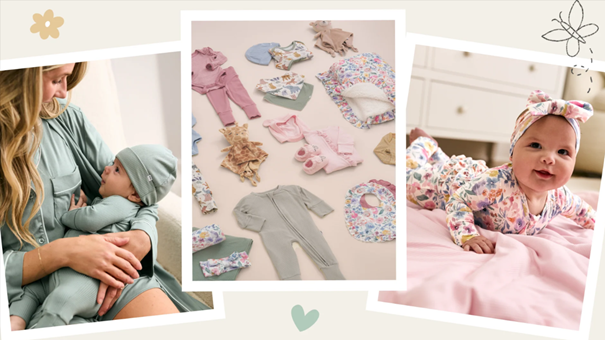
Newborn Wardrobe Bringing a newborn home is one of the most exciting moments in a family’s life. Along with setting up the nursery and choosing the right baby gear, creating a practical and comfortable newborn wardrobe is a top priority for parents. Babies grow quickly, so selecting the right clothing essentials helps keep your little one cozy, stylish, and ready for any season. In this guide, we’ll walk you through everything you need to know about building the perfect newborn wardrobe.
Understanding Your Newborn’s Clothing Needs
Newborn Wardrobe have delicate skin and limited ability to regulate body temperature. This makes fabric choice, fit, and comfort extremely important. When planning a newborn wardrobe, focus on soft, breathable materials like organic cotton and bamboo. Avoid rough seams, tight elastics, and heavy embellishments that could irritate your baby’s skin.
Practicality also matters. Newborn Wardrobe Frequent diaper changes mean easy-access clothing with snap buttons or zippers will save you time and effort. Think about outfits that are simple to put on and remove, especially during nighttime changes.
Essential Clothing Items for a Newborn Wardrobe
A well-rounded newborn wardrobe doesn’t need to be excessive. Newborn Wardrobe A few carefully chosen essentials can go a long way.
1. Onesies and Bodysuits
These are the backbone of any newborn wardrobe. Newborn Wardrobe Choose both short-sleeve and long-sleeve options depending on the climate. Onesies are perfect for layering and easy diaper changes.
2. Sleepers and Pajamas
Footed sleepers keep your baby warm and comfortable during sleep. Zippered sleepers are especially convenient for quick changes at night.
3. Pants and Leggings
Soft cotton pants or leggings are easy to mix and match with bodysuits. Elastic waistbands provide comfort without being restrictive.
4. Sweaters and Cardigans
Lightweight sweaters are great for cooler evenings or air-conditioned spaces. Opt for front-opening styles to avoid pulling clothing over your baby’s head.
5. Socks and Booties
Newborns lose heat quickly through their feet, so keep them warm with soft socks or booties.
6. Hats and Mittens
Hats help regulate body temperature, especially in cooler climates. Mittens prevent babies from scratching their faces with tiny nails.
7. Special Occasion Outfits
A few cute outfits for family gatherings or photos are nice to have, but don’t overdo it. Comfort should always come first.
Choosing the Right Fabrics
Fabric selection plays a crucial role in your newborn wardrobe. Look for:
-
Organic Cotton: Soft, breathable, and hypoallergenic.
-
Bamboo Fabric: Moisture-wicking and gentle on sensitive skin.
-
Muslin: Lightweight and perfect for warm weather.
Avoid synthetic materials like polyester that can trap heat and cause discomfort.
Seasonal Considerations
Your baby’s wardrobe should change with the seasons:
Summer:
Choose lightweight, breathable clothing such as short-sleeve onesies and muslin rompers. Avoid overdressing to prevent overheating.
Winter:
Layering is key. Use long-sleeve bodysuits, sleepers, and sweaters. Don’t forget warm hats and socks.
Monsoon or Transitional Weather:
Opt for breathable layers that can be easily added or removed as temperatures change.
How Many Clothes Does a Newborn Need?
Newborns tend to go through several outfit changes a day due to spills, diaper leaks, and spit-ups. A practical starter wardrobe includes:
-
6–8 bodysuits
-
4–6 sleepers
-
3–4 pairs of pants
-
2–3 sweaters or jackets
-
4–6 pairs of socks
-
2 hats
This ensures you’re prepared without overcrowding your baby’s closet.
Tips for Shopping a Newborn Wardrobe
Buy a Range of Sizes
Babies grow fast. Don’t stock up only on newborn size. Include 0–3 months clothing for longevity.
Prioritize Easy Fastenings
Zippers and snap buttons are lifesavers during diaper changes.
Wash Before Use
Always wash new clothes with baby-safe detergent to remove chemicals and dust.
Avoid Overbuying
It’s tempting to buy everything cute, but your baby may outgrow outfits before wearing them.
Organizing Your Newborn Wardrobe
A well-organized wardrobe makes daily routines easier. Use dividers to separate sizes and categories like sleepwear, daytime clothes, and accessories. Drawer organizers help keep small items like socks and mittens neat.
You can also rotate clothes seasonally to keep only relevant items accessible.
Sustainable and Eco-Friendly Choices
Many parents are now choosing sustainable clothing options. Organic fabrics, eco-friendly dyes, and ethically made clothes are better for both your baby and the environment. Consider buying gently used clothes, as newborns often outgrow outfits quickly.
Budget-Friendly Wardrobe Planning
Building a newborn wardrobe doesn’t have to be expensive. Look for:
-
Multi-pack bodysuits
-
Seasonal sales
-
Hand-me-downs from friends or family
Focus on essentials first and add extra pieces later if needed.
Final Thoughts
Creating a newborn wardrobe is about balancing comfort, practicality, and style. By choosing soft fabrics, versatile pieces, and the right quantity of clothing, you’ll be well-prepared to care for your baby’s daily needs. Remember, your newborn doesn’t need a huge collection—just a thoughtfully selected wardrobe that keeps them cozy and happy.
With proper planning, your newborn wardrobe will make those first precious months even more enjoyable and stress-free. Whether it’s a simple onesie for a cozy day at home or a cute outfit for a family visit, every piece plays a role in your baby’s comfort and well-being.