
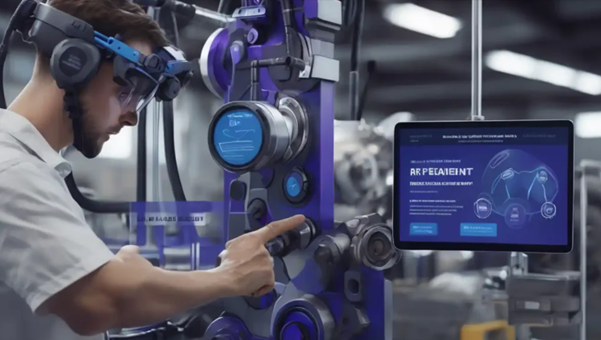
Introduction to ARK Augmented Reality
ARK Augmented Reality represents a powerful evolution in the way digital content interacts with the real world. Augmented Reality (AR) blends virtual elements—such as images, animations, and data—with physical surroundings in real time, creating immersive and interactive experiences. The “ARK” concept within augmented reality often refers to advanced platforms, frameworks, or ecosystems that enable developers and businesses to build smarter, more scalable AR solutions.
As ARK Augmented Reality continues to grow rapidly, ARK Augmented Reality is emerging as a key driver in industries ranging from gaming and education to healthcare, retail, and enterprise solutions. By combining innovation, usability, and real-time data visualization, ARK Augmented Reality is reshaping how users perceive and interact with digital environments.
What Is ARK Augmented Reality?
ARK Augmented Reality Reality is a modern AR-based framework or ecosystem designed to enhance real-world experiences using computer-generated elements. Unlike virtual reality, which immerses users in a fully digital world, ARK Augmented Reality overlays digital objects onto the physical environment without removing the user from reality.
This ARK Augmented Reality typically works through smartphones, tablets, AR glasses, or head-mounted displays. Using cameras, sensors, GPS, and advanced algorithms, ARK Augmented Reality identifies real-world objects and environments, then superimposes relevant digital content in a seamless and intuitive manner.
Key Features of ARK Augmented Reality
ARK Augmented Reality Reality stands out due to several powerful features that make it suitable for both consumer and enterprise applications.
Real-Time Environment Mapping
ARK Augmented Reality uses advanced spatial mapping to understand surroundings in real time. This allows virtual objects to interact naturally with real-world surfaces, lighting, and movement.
High-Quality 3D Visualization
The platform supports high-resolution 3D models and animations, delivering realistic and visually appealing augmented experiences.
Cross-Platform Compatibility
ARK Augmented Reality solutions often work across multiple devices and operating systems, making them accessible to a broader audience.
AI and Machine Learning Integration
By leveraging artificial intelligence, ARK Augmented Reality can recognize objects, faces, and gestures, enabling smarter interactions and personalized content.
Scalability and Customization
ARK-based AR solutions are designed to scale easily, allowing developers and businesses to customize applications according to specific needs.
Applications of ARK Augmented Reality
ARK Augmented Reality is transforming multiple industries by enhancing efficiency, engagement, and user experience.
Gaming and Entertainment
One of the most popular uses of ARK Augmented Reality is in gaming. AR-based games allow players to interact with virtual characters and objects in real-world locations, creating a more immersive experience. Entertainment companies also use ARK Augmented Reality for interactive storytelling, live events, and immersive media content.
Education and Training
In education, ARK Augmented Reality makes learning more engaging and effective. Students can visualize complex concepts such as anatomy, astronomy, or engineering structures in 3D. In corporate training, AR-based simulations help employees practice real-world tasks safely and efficiently.
Healthcare and Medical Applications
ARK Augmented Reality is increasingly used in healthcare for surgical planning, diagnostics, and medical training. Doctors can overlay digital information onto a patient’s body, improving accuracy and decision-making. Medical students benefit from realistic AR simulations without real-world risks.
Retail and E-Commerce
Retailers use ARK Augmented Reality to offer virtual try-ons, product previews, and interactive shopping experiences. Customers can see how furniture fits in their homes or how clothing looks on them before making a purchase, leading to higher satisfaction and reduced returns.
Architecture and Real Estate
Architects and real estate professionals use ARK Augmented Reality to visualize buildings, interiors, and layouts before construction begins. This helps clients understand designs better and make informed decisions.
Benefits of ARK Augmented Reality
ARK Augmented Reality delivers numerous advantages for both users and businesses.
Enhanced User Engagement
Interactive AR experiences capture attention more effectively than traditional media, increasing engagement and retention.
Improved Decision-Making
By visualizing data and objects in real time, users can make faster and more informed decisions.
Cost and Time Efficiency
ARK Augmented Reality reduces the need for physical prototypes, travel, and manual processes, saving both time and money.
Personalized Experiences
AI-driven AR solutions adapt content based on user behavior, preferences, and context, creating personalized interactions.
Competitive Advantage
Businesses that adopt ARK Augmented Reality gain a technological edge, positioning themselves as innovative and customer-focused.
Challenges and Limitations
Despite its potential, ARK Augmented Reality also faces certain challenges.
Hardware limitations, such as device performance and battery life, can affect AR experiences. Privacy and data security concerns must also be addressed, especially when AR applications collect real-world data. Additionally, development costs and technical complexity may be barriers for small organizations.
However, continuous advancements in hardware, software, and network technologies are steadily overcoming these challenges.
The Future of ARK Augmented Reality
The future of ARK Augmented Reality looks promising as technology continues to evolve. With the growth of 5G, artificial intelligence, and wearable AR devices, AR experiences will become faster, more immersive, and more accessible.
In the coming years, ARK Augmented Reality is expected to play a major role in smart cities, remote collaboration, digital commerce, and the metaverse. As adoption increases, AR will become a natural part of everyday life rather than a novelty.
Conclusion
ARK Augmented Reality is redefining how digital content integrates with the physical world. By offering immersive, interactive, and intelligent experiences, it is transforming industries and enhancing the way people learn, shop, work, and play. While challenges remain, ongoing innovation ensures that ARK Augmented Reality will continue to grow and shape the future of technology.
As businesses and developers explore new possibilities, ARK Augmented Reality stands as a powerful tool for creating meaningful, engaging, and future-ready digital experiences.