
Emfyteymata vs Traditional Dentures Tooth loss is a common problem that affects millions of people around the world. Whether it occurs due to aging, accidents, gum disease, or tooth decay, losing teeth can significantly impact a person’s appearance, confidence, and ability to chew food properly. Fortunately, modern dentistry offers several solutions to replace missing teeth. Two of the most common options are Emfyteymata (dental implants) and traditional dentures.
Both treatments aim to restore the functionality and appearance of natural teeth, but they differ significantly in terms of procedure, durability, comfort, and cost. Understanding the differences between Emfyteymata vs Traditional Dentures can help individuals make an informed decision about which option suits their needs best.
In Emfyteymata vs Traditional Dentures article, we will explore the key features, benefits, drawbacks, and costs of both options to help you choose the most suitable tooth replacement solution.
What Are Emfyteymata?
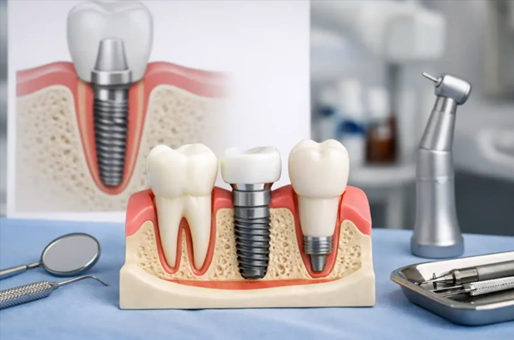
Emfyteymata vs Traditional Dentures is the Greek term commonly used for dental implants, which are modern dental devices designed to replace missing teeth permanently. A dental implant is typically a small titanium post that is surgically inserted into the jawbone. This post acts as an artificial tooth root, providing a strong foundation for a crown, bridge, or denture.
Emfyteymata vs Traditional Dentures Once the implant is placed, the jawbone gradually fuses with the titanium post through a process called osseointegration. This fusion creates a stable and long-lasting support system for the artificial tooth.
Dental implants are considered one of the most advanced and reliable solutions in restorative dentistry. Emfyteymata vs Traditional Dentures They closely mimic the look, feel, and function of natural teeth.
Benefits of Emfyteymata
One of the biggest advantages of dental implants is their durability. With proper care, implants can last for decades or even a lifetime. Unlike dentures, they do not slip or move while eating or speaking.
Another important benefit is that implants help preserve the jawbone. When a tooth is lost, the jawbone in that area begins to shrink over time. Dental implants stimulate the bone in a similar way to natural tooth roots, preventing bone loss.
In addition, implants provide excellent aesthetics. The crowns attached to implants are designed to match the color, shape, and size of natural teeth, making them almost indistinguishable from real teeth.
Other advantages include:
-
Improved chewing ability
-
Better speech clarity
-
Long-term reliability
-
Increased self-confidence
-
No need for adhesives or special cleaning solutions
Drawbacks of Emfyteymata
Despite their many advantages, dental implants also have some disadvantages. The most notable is the cost. Implant procedures are generally more expensive than traditional dentures because they involve surgery, specialized materials, and multiple dental visits.
Another limitation is the treatment time. The complete implant process can take several months because the jawbone needs time to heal and fuse with the implant.
Additionally, not everyone is an ideal candidate for implants. Patients must have sufficient jawbone density and good oral health to support the implant. In some cases, bone grafting may be required before the implant procedure.
What Are Traditional Dentures?
Traditional dentures are removable prosthetic devices used to replace missing teeth and surrounding tissues. They have been used in dentistry for many decades and remain a popular solution for individuals who have lost several or all of their teeth.
Dentures are typically made from acrylic resin, sometimes combined with metal attachments for added strength. They are custom-made to fit the patient’s mouth and can replace either a few missing teeth (partial dentures) or an entire set of teeth (complete dentures).
Unlike implants, dentures rest on top of the gums and rely on suction or dental adhesives to stay in place.
Benefits of Traditional Dentures
One of the main advantages of dentures is their affordability. Compared to dental implants, dentures are generally much less expensive, making them accessible to a wider range of patients.
Another benefit is that dentures do not require surgery. The process usually involves taking impressions of the mouth, designing the denture, and fitting it to the patient.
Dentures can also be created relatively quickly, often within a few weeks. This makes them a convenient option for individuals who need a fast solution for missing teeth.
Other benefits include:
-
Lower initial cost
-
Non-surgical procedure
-
Suitable for patients with bone loss
-
Faster treatment timeline
-
Ability to replace multiple teeth at once
Drawbacks of Traditional Dentures
While dentures are widely used, they also come with several limitations. One common issue is discomfort. Because dentures sit on the gums, they may cause sore spots or irritation over time.
Another drawback is stability. Dentures can shift or slip while eating or speaking, which can be embarrassing and inconvenient for many people.
In addition, dentures do not prevent bone loss in the jaw. Over time, the jawbone continues to shrink, which can cause dentures to become loose and require adjustments or replacements.
Maintenance is another factor to consider. Dentures must be removed and cleaned regularly, and they may need to be replaced every 5–10 years.
Key Differences Between Emfyteymata and Traditional Dentures
Understanding the major differences between these two options can make the decision process easier.
1. Permanence
Dental implants are a permanent solution that integrates with the jawbone, while dentures are removable and may require replacement over time.
2. Comfort and Stability
Implants feel more like natural teeth and remain fixed in place. Dentures can sometimes slip or cause discomfort.
3. Jawbone Health
Implants help preserve jawbone density by stimulating bone growth. Dentures do not provide this benefit and may contribute to bone loss.
4. Cost
Dentures are generally less expensive upfront, whereas implants involve a higher initial investment.
5. Maintenance
Implants can be cared for like natural teeth through brushing and flossing. Dentures require special cleaning and must be removed daily.
Which Option Is Better?
The choice between Emfyteymata and traditional dentures depends on several factors, including budget, oral health, lifestyle, and personal preferences.
Dental implants are often considered the superior option in terms of durability, comfort, and long-term oral health. They provide a more natural experience and require less ongoing maintenance.
However, traditional dentures may be the better choice for individuals who cannot undergo surgery, have significant bone loss, or need a more affordable solution.
Consulting with a qualified dentist is the best way to determine which treatment is appropriate. A dental professional can evaluate your oral health, discuss your goals, and recommend the most suitable option.
Conclusion
Both Emfyteymata and traditional dentures offer effective ways to restore missing teeth and improve quality of life. Dental implants provide a long-lasting, natural-looking solution that supports jawbone health and offers superior stability. On the other hand, traditional dentures remain a practical and affordable option for many patients.
When deciding between the two, it is important to consider factors such as cost, comfort, treatment time, and long-term benefits. With the guidance of a dental professional, patients can choose the option that best fits their needs and enjoy a confident, healthy smile once again.