
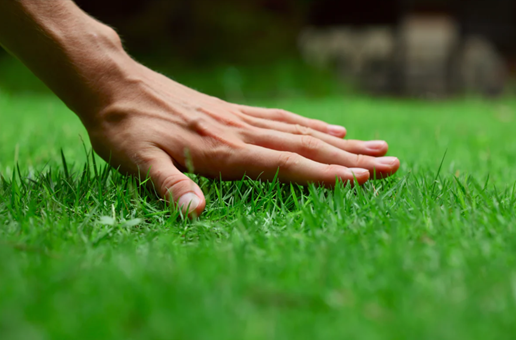
Greener Grass Landscaping has become more than just a trend—it is a thoughtful approach to designing, maintaining, and enjoying outdoor spaces while respecting the environment. As homeowners, businesses, and communities grow increasingly aware of sustainability and eco-friendly practices, the demand for greener, healthier landscapes continues to rise. This landscaping philosophy focuses on vibrant lawns, native plants, water efficiency, soil health, and long-term environmental balance, creating outdoor areas that are both visually appealing and environmentally responsible.
Understanding Greener Grass Landscaping
Greener Grass Landscaping At its core, Greener Grass Landscaping is about achieving lush, healthy green spaces without relying heavily on harmful chemicals or excessive water use. Traditional landscaping methods often depend on synthetic fertilizers, pesticides, and high water consumption, which can damage soil, pollute water sources, and disrupt local ecosystems. In contrast, greener grass solutions prioritize natural methods, sustainable materials, and smart maintenance techniques that support the environment while delivering outstanding results.
This approach doesn’t mean sacrificing beauty. In fact, Greener Grass Landscaping greener landscapes often look more vibrant and resilient because they work in harmony with nature rather than against it.
The Importance of Healthy Soil
Healthy grass starts from the ground up. Soil quality plays a vital role in greener grass landscaping, as it directly affects root development, water retention, and nutrient absorption. Greener Grass Landscaping Instead of relying on chemical fertilizers, this method emphasizes soil enrichment through compost, organic matter, and natural soil conditioners.
Aeration is another important practice. By allowing air, water, and nutrients to reach the roots, aeration improves lawn density and strength. Healthy soil encourages deeper root systems, which help grass withstand drought, foot traffic, and seasonal changes.
Choosing the Right Grass and Plants
Greener Grass Landscaping One of the most effective ways to maintain a greener landscape is by selecting grass types and plants suited to the local climate. Native and climate-adapted species require less water, fewer chemicals, and minimal maintenance. These plants are naturally resistant to pests and diseases, making them an excellent choice for sustainable landscaping.
In Greener Grass Landscaping, lawns are often complemented by shrubs, trees, and ground covers that reduce the overall area of turf grass. Greener Grass Landscaping This balanced design not only adds visual interest but also lowers water usage and maintenance demands.
Water-Wise Landscaping Techniques
Water conservation is a cornerstone of greener landscaping. Greener Grass Landscaping Efficient irrigation systems, such as drip irrigation or smart sprinklers, ensure that plants receive the right amount of water at the right time. These systems minimize waste by targeting roots directly and adjusting schedules based on weather conditions.
Rainwater harvesting is another eco-friendly solution gaining popularity. Collecting and reusing rainwater reduces dependence on municipal supplies and provides plants with natural, chemical-free hydration. Mulching also plays a key role by retaining soil moisture, regulating temperature, and suppressing weeds.
Eco-Friendly Lawn Maintenance Practices
Maintaining a greener lawn involves simple yet impactful practices. Mowing at the correct height helps grass develop deeper roots and improves drought tolerance. Leaving grass clippings on the lawn, known as grasscycling, returns valuable nutrients to the soil and reduces waste.
Organic fertilizers and natural pest control methods replace harsh chemicals, promoting a safer environment for people, pets, and wildlife. Beneficial insects, natural repellents, and proper plant spacing help manage pests without harming the ecosystem.
Benefits of Greener Grass Landscaping
The advantages of adopting greener grass landscaping extend beyond aesthetics. Environmentally, it reduces pollution, conserves water, and supports biodiversity. Health-wise, it creates safer outdoor spaces free from toxic chemicals, benefiting families and communities.
Economically, sustainable landscapes often require lower long-term maintenance costs. Reduced water bills, fewer chemical treatments, and healthier plants contribute to significant savings over time. Additionally, well-designed green spaces can increase property value and enhance curb appeal.
Designing with Sustainability in Mind
Thoughtful landscape design is essential to achieving long-lasting results. Greener Grass Landscaping incorporates features like permeable pathways, shade-providing trees, and strategically placed plants to reduce heat and improve comfort. These designs also help manage stormwater runoff, preventing soil erosion and water pollution.
Outdoor spaces can be customized to suit different needs, whether it’s a family-friendly backyard, a corporate green area, or a community park. The key is creating a balanced layout that blends functionality, beauty, and environmental responsibility.
The Role of Professional Landscaping Services
While many homeowners can adopt greener practices on their own, professional landscaping services offer expertise and efficiency. Experienced landscapers understand soil science, plant selection, irrigation systems, and sustainable maintenance techniques. They can assess the specific needs of a property and develop a tailored plan that aligns with environmental goals.
Professional Greener Grass Landscaping services also stay updated with the latest eco-friendly innovations, ensuring landscapes remain modern, efficient, and resilient.
Long-Term Impact on the Environment
Choosing greener landscaping solutions contributes to a healthier planet. Reduced chemical runoff protects water bodies, improved soil health captures carbon, and native plants provide habitats for pollinators and wildlife. Over time, these small changes add up, creating greener cities and more sustainable communities.
Greener grass landscapes also help combat urban heat by cooling surrounding areas and improving air quality. These benefits make sustainable landscaping an essential part of future urban planning.
Conclusion
Greener Grass Landscaping represents a shift toward smarter, more responsible outdoor living. By focusing on healthy soil, water conservation, native plants, and eco-friendly maintenance, this approach delivers lush, beautiful landscapes that thrive naturally. It proves that sustainability and beauty can go hand in hand, offering long-term benefits for homeowners, businesses, and the environment alike.
As awareness grows and environmental concerns become more pressing, Greener Grass Landscaping stands out as a practical and inspiring solution. Whether you’re redesigning a small backyard or managing a large property, embracing greener practices is a step toward a healthier, more vibrant future—one lawn at a time.