
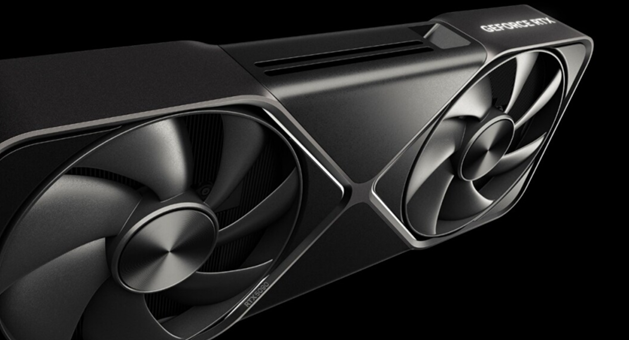
The RTX 5090 / 5090D Bricked Issues have been heralded as one of the most powerful graphics cards ever released, targeting gamers, creatives, and professionals alike with unprecedented performance. However, a growing number of users in recent months have reported bricked GPUs — devices that fail to function entirely due to firmware issues, hardware corruption, or failed updates. This article dives deep into the RTX 5090 and 5090D bricked issues, explaining what causes them, how to diagnose them, possible fixes, and how users can protect themselves from losing expensive hardware.
What Does It Mean When an RTX 5090 Gets “Bricked”?
In simple terms, a bricked device is one that no longer operates like it should — essentially turning it into a brick. When an RTX 5090 / 5090D Bricked Issues becomes bricked, it fails to initialize, display video, or even post during system boot. Typically, the GPU shows no signs of life, like no fan spin, no LED lighting, and no recognition in BIOS or operating systems.
A bricked GPU is one of the worst hardware problems a user can face and often suggests deep firmware, BIOS corruption, or failed internal software updates.
Why Is This Happening? The Root Causes
Users and technicians have identified several possible causes for RTX 5090/5090D bricking issues — from software updates gone wrong to hardware conflicts:
1. Faulty Firmware Updates
Firmware (or VBIOS) is the low-level software RTX 5090 / 5090D Bricked Issues runs the GPU before the operating system starts. Issues have surfaced after users tried updating VBIOS via manufacturer utilities or unofficial tools. If this update interrupts or becomes corrupted, the GPU may no longer boot.
2. Improper Overclocking
RTX 5090 / 5090D Bricked Issues Overclocking enthusiasts frequently push hardware beyond factory limits for maximum performance. However, aggressive or unstable overclocking settings — especially at voltages not supported by NVIDIA or board partners — can cause permanent damage or corruption within the GPU’s internal memory.
3. Incompatible Drivers or Software Tools
RTX 5090 / 5090D Bricked Issues Some third-party tuning utilities or driver versions—not fully compatible with the RTX 5090 series architectures—can interfere with the card’s critical systems. Attempting deep tweaks using unsupported tools can result in irreversible errors.
4. Electrostatic Discharge (ESD) and Power Surges
Though less common, RTX 5090 / 5090D Bricked Issues static electricity or power spikes during installation or operation can corrupt internal memory chips or controller firmware, leading to a bricked device.
5. Manufacturing Defects
RTX 5090 / 5090D Bricked Issues In rare cases, hardware manufacturing defects or faulty memory modules can create failures that resemble bricking.
Signs Your RTX 5090 May Be Bricked
Before jumping to conclusions, it’s essential to recognize the typical symptoms of a bricked GPU:
-
No video output after connecting to monitor.
-
No fan activity when system powers on.
-
GPU not detected in BIOS or Windows Device Manager.
-
No LED activity (if your GPU has RGB lighting).
-
Continuous system beeps during POST (depends on motherboard).
-
No GPU fan or boot activity despite PSU powering on.
While these symptoms can also appear with other hardware issues (like monitor cable problems or faulty PSU), consistent failure to initialize generally points toward a bricked GPU.
Diagnosing the Issue
Diagnosing a bricked RTX 5090/5090D involves a systematic approach:
1. Basic Hardware Checks
-
Ensure the power connectors (12-pin or 8-pin) are firmly seated.
-
Try a different monitor cable (HDMI to DisplayPort, for instance).
-
Test the GPU in another system to rule out motherboard or PSU issues.
2. BIOS Reset
Resetting the motherboard BIOS can help identify compatibility issues. Remove the CMOS battery for a minute, restore defaults, and reinsert the GPU.
3. Reseat the Card
Turn off the PC, unplug power, and carefully remove and reseat the GPU to ensure proper connection.
4. Use a Recovery BIOS (if available)
Some high-end GPUs have dual BIOS switches. If your RTX 5090 has one, switching to the secondary BIOS may revive the card temporarily, allowing you to reflash proper firmware.
Is There a Fix for a Bricked GPU?
Unfortunately, once a GPU is fully bricked — meaning it doesn’t respond to BIOS commands — the recovery options are limited:
1. NVIDIA or Manufacturer Firmware Reflash
If the GPU is recognized in any capacity (such as safe mode or through a secondary BIOS), re-flashing the official firmware can fix corruption. This is risky and should only be performed using trusted firmware and instructions from the manufacturer.
2. Professional GPU Recovery Tools
Certain technicians use specialized hardware programmers to rewrite GPU firmware chips. This involves physically removing and rewriting the chip and can only be performed by trained professionals.
3. Warranty/Manufacturer Support
The best course of action for most users is to contact the GPU manufacturer or retailer for a warranty replacement. If the bricking occurred under normal operation or due to known issues, many vendors will offer RMA support.
How to Prevent RTX 5090 Bricking Issues
Prevention is vital — especially for hardware worth thousands of dollars:
1. Avoid Unofficial Firmware or BIOS Updates
Never flash third-party VBIOS or unofficial firmware that isn’t sanctioned by NVIDIA or your GPU brand.
2. Use Stable Driver Versions
Stick to official drivers released by NVIDIA. Avoid beta versions unless you’re willing to accept risk.
3. Be Cautious with Overclocking
While modest overclocks are generally safe, aggressive settings can cause instability. Use only manufacturer-recommended tools.
4. Protect the System from Power Issues
Use a good quality UPS (Uninterruptible Power Supply) to protect against surges or spikes.
5. Maintain Adequate Cooling and Airflow
Overheating often accelerates component wear. Make sure your case fans and GPU cooling are efficient.
Community Experiences and NVIDIA’s Response
On forums and social media, RTX 5090 owners have shared mixed experiences about bricking incidents. Some report smooth operation without issues, while others experienced failures after driver updates or while tweaking settings. NVIDIA has acknowledged some issues on specific VBIOS revisions and recommended firmware updates in official support channels — emphasizing cautious updating procedures to avoid corruption.
Final Thoughts
The RTX 5090 and 5090D represent massive leaps in performance for PC enthusiasts and professionals. But any advanced hardware brings complexity — and sometimes, risk. A bricked GPU is not only inconvenient but profoundly frustrating, turning a powerful tool into an unreliable brick.
However, with careful maintenance, avoidance of risky updates or overclocking, and following official support guidelines, the chances of such failures can be minimized. And if a bricking issue does occur, the best course remains professional support and warranty service, rather than risky DIY attempts.
In the end, understanding what causes bricked hardware — and how to prevent it — enables users to protect their investment and enjoy peak performance from their RTX 5090 series GPUs.